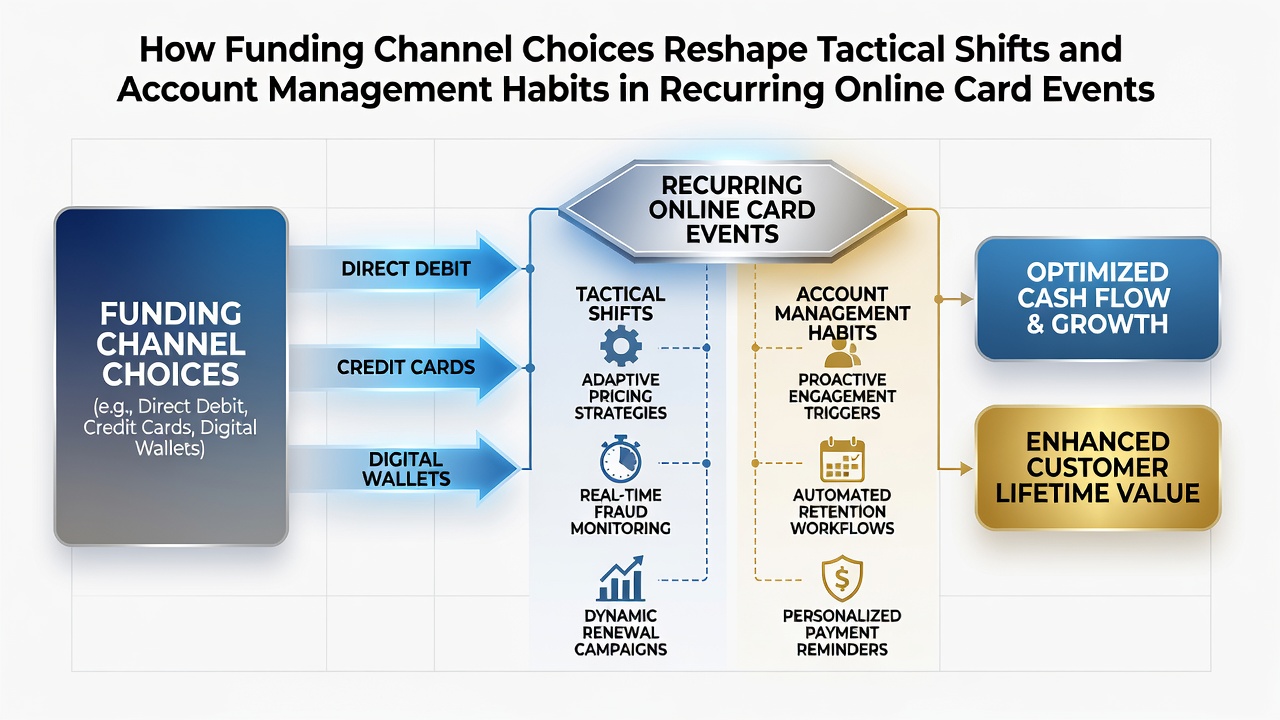
Payment Routes Drive Strategic Adjustments in Ongoing Online Card Competitions
Data from multiple markets shows that players in recurring online card events select funding channels based on speed, cost, and integration with platform tools, and these selections lead to measurable changes in how participants manage entries, bankrolls, and session timing. Reports covering activity through September 2026 indicate rising use of instant digital wallets alongside traditional bank transfers, with each option carrying distinct effects on re-entry frequency and multi-table coordination.
Common Funding Channels and Their Core Characteristics
Digital wallets process deposits in seconds for most users, whereas credit card transactions often require additional verification steps that extend wait times to several minutes. Bank transfers remain slower still, sometimes taking one to three business days to clear, yet they frequently carry lower fees and higher daily limits. Cryptocurrency options appear in a growing number of jurisdictions, delivering near-instant settlement with variable transaction costs tied to network congestion. Each channel therefore imposes its own rhythm on how often a participant can reload or shift funds between multiple accounts.
Observers note that platforms in regulated North American and European markets now list average deposit times alongside each method, allowing users to compare options before committing. Figures released by industry tracking services reveal that wallet-based deposits accounted for roughly 45 percent of total volume in recurring tournament series during the first half of 2026, up from 38 percent the previous year.
Tactical Shifts Triggered by Deposit Speed
Faster funding channels encourage tighter session planning, since participants can respond immediately to late-registration windows or satellite qualifiers that open only hours before an event. Slower methods, by contrast, push players toward earlier commitment decisions and larger initial buy-ins to avoid missing structures altogether. One study of Australian poker circuit participants found that wallet users entered an average of 1.8 more events per week than those relying primarily on bank transfers.
Account management habits also diverge along channel lines. Users of instant methods tend to maintain smaller per-account balances and move funds more frequently between primary and secondary profiles to take advantage of platform-specific bonuses. Those preferring bank transfers consolidate activity into fewer accounts to minimize transfer fees and simplify reconciliation at month-end. Data indicates these patterns hold across both recreational and higher-volume segments.
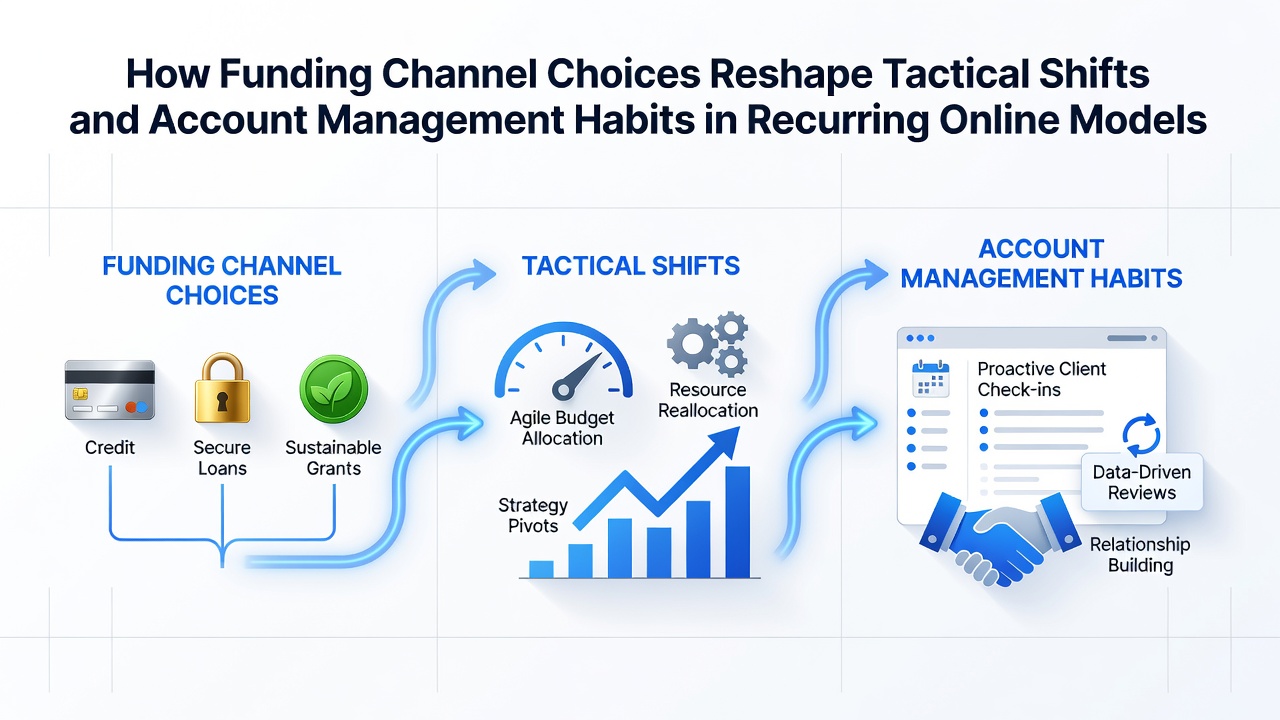
Account Controls and Bonus Alignment
Platform operators link certain reload bonuses and rakeback tiers to specific payment providers, prompting users to adjust their channel preferences accordingly. When a promotion requires three wallet deposits within a calendar month, participants often schedule smaller, more frequent transfers rather than single large bank movements. Research compiled by European gaming associations shows that such incentive structures increased average monthly deposit counts by 12 percent among tracked accounts in 2026.
Self-imposed deposit limits interact with channel choice as well. Players who set daily caps through platform tools frequently pair those limits with slower funding routes to reduce impulse reloads, while those seeking maximum flexibility route funds through faster options and monitor balances more actively. Account statements from recurring series demonstrate that the combination of limit tools and channel selection correlates with steadier bankroll trajectories over multi-week periods.
Regional Regulatory Influences
State-level rules in the United States and provincial frameworks in Canada continue to shape which channels remain available and how quickly funds clear. Jurisdictions that mandate additional identity checks for card payments have seen measurable migration toward e-wallets that already store verified details. A report issued by the Canadian Gaming Association in mid-2026 documented a 9 percent shift toward wallet usage in provinces with stricter card verification protocols.
Meanwhile, markets in parts of Asia and Latin America that permit cryptocurrency deposits report higher rates of cross-border participation, because those channels bypass some domestic banking delays. Participants in those regions often maintain separate accounts for local and international events, routing each through the channel that minimizes both cost and processing time.
Longer-Term Patterns in Player Behavior
Over repeated cycles, individuals who consistently choose one channel develop predictable routines around tournament scheduling and bankroll allocation. Those habits become visible in aggregate data sets that track entry timing relative to deposit confirmations. Analysts tracking September 2026 series noted that wallet-dominant users clustered entries within narrow windows immediately after deposits cleared, whereas bank-transfer users spread entries across several days to accommodate clearance schedules.
These behavioral adjustments remain measurable even after controlling for overall volume and experience level. The patterns suggest that funding infrastructure itself functions as a structural element of the competitive environment rather than a neutral background feature.
Conclusion
Payment channel selections continue to influence entry timing, fund movement frequency, and account segmentation across recurring online card events. Available data through September 2026 shows consistent correlations between deposit speed, bonus alignment, and observed tactical adjustments, with regional regulations further modulating which options dominate in each market. As platforms refine their payment offerings, these interdependencies are likely to remain central to how participants organize their activity.